 Gentiana lutea (Yellowgentian)
is found in the mountains of central and southern Europe. Gentian root (which
can be as thick as a person’s arm) has a long history of use as a herbal bitter
in the treatment of digestive disorders. The root contains one of the bitterest
substances known to science which stimulates the taste buds and brain reflexes
to promote the secretion of saliva and gastric juices. As such it has been used
as an appetite stimulant in the treatment of anorexia. It is said to be
especially useful in states of exhaustion from chronic disease and in cases of
debility or weakness of the digestive system; strengthening the human system by
stimulating the liver, gall bladder and digestive system.
Gentiana lutea (Yellowgentian)
is found in the mountains of central and southern Europe. Gentian root (which
can be as thick as a person’s arm) has a long history of use as a herbal bitter
in the treatment of digestive disorders. The root contains one of the bitterest
substances known to science which stimulates the taste buds and brain reflexes
to promote the secretion of saliva and gastric juices. As such it has been used
as an appetite stimulant in the treatment of anorexia. It is said to be
especially useful in states of exhaustion from chronic disease and in cases of
debility or weakness of the digestive system; strengthening the human system by
stimulating the liver, gall bladder and digestive system.
Rauvolfia serpentin

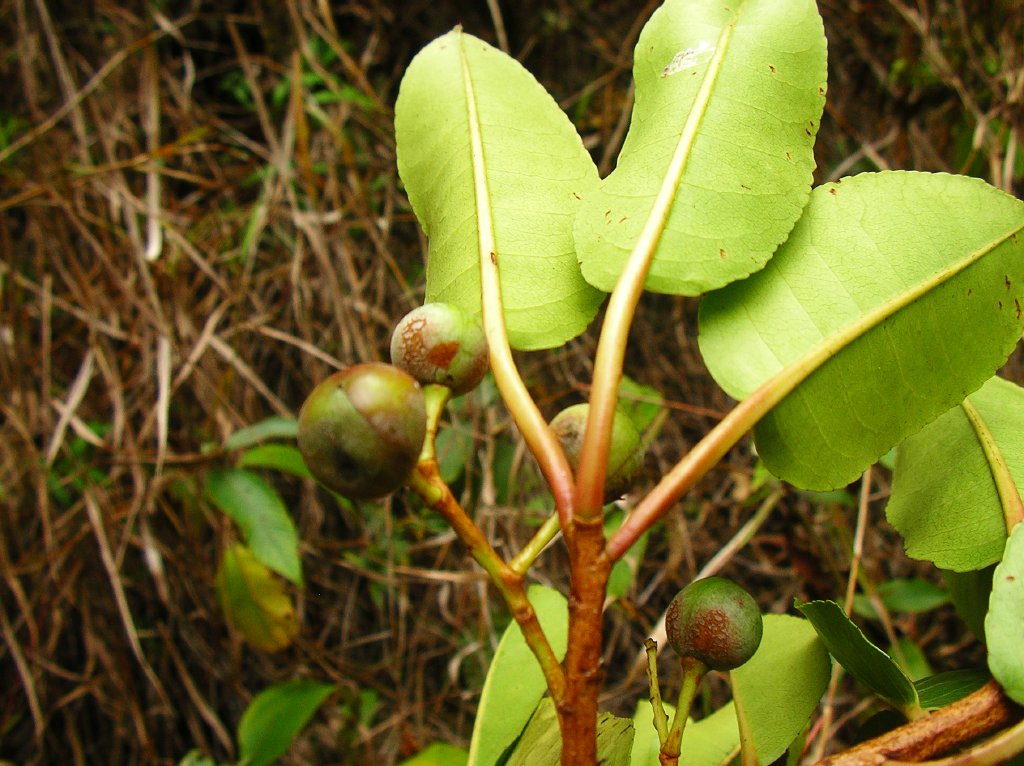 Prunus africana (African cherry)
is found in mountain tropical forests in central and southern Africa and Madagascar
and has been used for centuries for its hard and durable timber as well as for
the medicinal properties of its bark, which is used to treat malaria, fevers, kidney
disease, urinary tract infections and more recently prostate enlargement
(benign prostatic hyperplasia). Overall, the medicinal retail trade for P
.africana is estimated to be US$220 million/year (WWF, 2001).
Prunus africana (African cherry)
is found in mountain tropical forests in central and southern Africa and Madagascar
and has been used for centuries for its hard and durable timber as well as for
the medicinal properties of its bark, which is used to treat malaria, fevers, kidney
disease, urinary tract infections and more recently prostate enlargement
(benign prostatic hyperplasia). Overall, the medicinal retail trade for P
.africana is estimated to be US$220 million/year (WWF, 2001).
Common flowers and plants
_-_7.jpg) Most of these plants and
medicines are unfamiliar with us however there asre a lot more common ones in
the UK such as:
Most of these plants and
medicines are unfamiliar with us however there asre a lot more common ones in
the UK such as:
The California Poppy which is an effective (anxiety reliever)
The blood flower is a type of
tropical milkweed with toxic milky sap that is emetic (it makes you hurl). It’s
also historically favored as a heart stimulant and worm expellent
 Alfalfa which can treat morning
sickness, nausea, kidney stones, kidney pain and urinary discomfort. It is a
powerful diuretic and has a bit of stimulant power, helping to energize after a
bout with illness. It’s a liver and bowel cleanser and long-term can help
reduce cholesterol.
Alfalfa which can treat morning
sickness, nausea, kidney stones, kidney pain and urinary discomfort. It is a
powerful diuretic and has a bit of stimulant power, helping to energize after a
bout with illness. It’s a liver and bowel cleanser and long-term can help
reduce cholesterol.
Plants you can find in your garden which can be used for medicines include:
 Aloe vera: it contains various compounds that reduce inflammation, swelling,
redness, pain and itching.”
Aloe vera: it contains various compounds that reduce inflammation, swelling,
redness, pain and itching.”
Uses: For burns, cuts
and minor abrasions; also as a mild laxative
 Dandelion: a nutritious healing
herb that stimulates the flow of bile. It enhances the body’s ability to
eliminate toxins.
Dandelion: a nutritious healing
herb that stimulates the flow of bile. It enhances the body’s ability to
eliminate toxins.
Uses: As a diuretic
(may help with PMS bloating), prevents gallstones and cleanses the liver.
“Dandelion leaves contain noteworthy amounts of vitamin C and beta-carotene and
are considered an antioxidant that help sets the stage for preventing many
diseases,” says Cervone.
Lemon balm: has a calming effect on heart palpitations and an agitated state of mind.
Uses: Soothes stomach, calms nerves.
Lavender: used in both medicine and cosmetics.
Uses: As a sedative, stress reliever, to
restore calm and relieve tension.
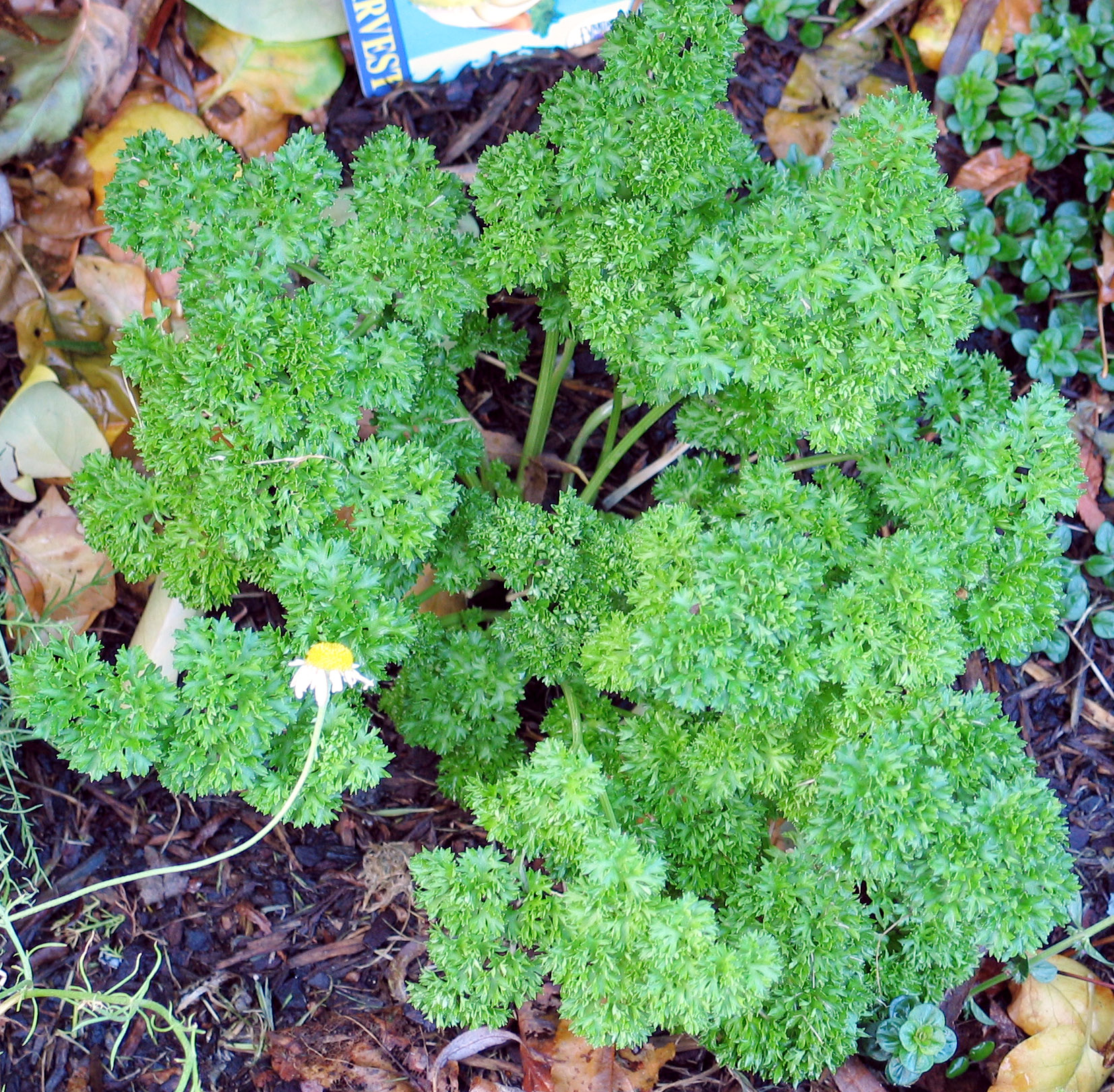
Parsley: Parsley leaves, roots and seeds all contain
an oil with significant diuretic and mild laxative properties. Parsley also
inhibits the secretion of histamines, a compound produced by the body that
causes allergies, hives and hay fever.
Uses: Breath freshener, allergy relief, tummy
troubles.



No comments:
Post a Comment