Wednesday, 7 May 2014
The final outcome
This is our final video :) Hope you enjoy it!
remember :
REDUCE
REUSE
RECYCLE!!!!!!!!!!

Happy Happy Happy! 3 R's
3 R's
After days of work and thousands of photos later, our project was complete. I thought it went really well and if I was to make another stop motion video I would happily use Zu3D and paper again. It was easy to use and completely up to us what to make and how to go about doing it. I feel that from such a simple program it makes quite an effective video and everyone we've shown has been impressed. This has been one of my favorite projects through out the whole of uni and I know I will definitely use this idea when hopefully on my PGCE next year and in the future even though 7 months ago I never thought Id be able to write a blog let along use other forms of technology.
Thank you Mandy
After days of work and thousands of photos later, our project was complete. I thought it went really well and if I was to make another stop motion video I would happily use Zu3D and paper again. It was easy to use and completely up to us what to make and how to go about doing it. I feel that from such a simple program it makes quite an effective video and everyone we've shown has been impressed. This has been one of my favorite projects through out the whole of uni and I know I will definitely use this idea when hopefully on my PGCE next year and in the future even though 7 months ago I never thought Id be able to write a blog let along use other forms of technology.
Thank you Mandy
The music
I never thought choosing music for a video could be so hard. Oh I was wrong. it took us a whole day of trying out songs to get the right one. We tried slow music, fast music, music with no words, and then at the very end we had the idea of "The 3 R's" song which is about recycling as well.
After we put it together we knew it was the correct choice and watched it about 10 times before saving it about 100 times to every device we could find in the house.
Below is the song we chose.
After we put it together we knew it was the correct choice and watched it about 10 times before saving it about 100 times to every device we could find in the house.
Below is the song we chose.
The making
Today we started making our film. It took us about an hour to get the camera and lighting right by using every item we could find in the kitchen to attatch the web cam to. Then we were off. Because we had planed everything the day before it all seemed to go smoothly and was loads of fun as we are both very creative people any way.
Problems we faced
There were a few small problems faced during the first day however we learnt for the next days. Firstly we started off without using glue/ blue tack etc which was very tricky when using lots of small shapes (leaves) which could easily change place from the smallest thing e.g breathing too hard or by me coughing. To over come this the following day we used glue and white tack to hold things in position for the shots.
Secondly a problem we faced was having to press the paper down and wait for it to rise until it was just in the shadow of the last picture so that we could take it. This was very tedious and took an awful long time however was worth it.
Lastly the speed of the video was tricky as the writing was quite slow where as the other slides were quite fast. We even had to redo one of the slides when the birds bring down the paper because it went so quick you didn't have time to read it.


Problems we faced
There were a few small problems faced during the first day however we learnt for the next days. Firstly we started off without using glue/ blue tack etc which was very tricky when using lots of small shapes (leaves) which could easily change place from the smallest thing e.g breathing too hard or by me coughing. To over come this the following day we used glue and white tack to hold things in position for the shots.
Secondly a problem we faced was having to press the paper down and wait for it to rise until it was just in the shadow of the last picture so that we could take it. This was very tedious and took an awful long time however was worth it.
Lastly the speed of the video was tricky as the writing was quite slow where as the other slides were quite fast. We even had to redo one of the slides when the birds bring down the paper because it went so quick you didn't have time to read it.
Final project 2
Now we had decided we wanted to use paper and Zu3D, we had to decide what the story line was going to be. After thinking of many different ideas we decided to go with recycling as that week was the week the 3 bin bag rule had been introduced. Initially we were going to do all types of recycling however we then decided to focus on recycling paper as that is what we were using to make this video. We planed what we would need so that we had the whole day to go out and get it. The list was as followed:
After we had gathered all the equipment we intended on going in to uni and doing it there where we could use the web cam. This plan however failed as the lighting was not right so Mandy kindly lent us the web cam for us to do at home. The rest of the day we spent brain storming ideas fr the video so we could get started the next day. We thought of all the different things and shapes you could make with paper and then thought of ways to tie them in with recycling.
- Large piece of blue card (background)
- Lots of white paper
- Colored card
- Glue
- sellotape
- pens
- pencils
- ruler
- scissors
- laptop
- web cam
- free 7 day trial of Zu3D
After we had gathered all the equipment we intended on going in to uni and doing it there where we could use the web cam. This plan however failed as the lighting was not right so Mandy kindly lent us the web cam for us to do at home. The rest of the day we spent brain storming ideas fr the video so we could get started the next day. We thought of all the different things and shapes you could make with paper and then thought of ways to tie them in with recycling.
Final Project week 1
For my final project Jess and I originally decided to do it using clay motion. We spent a few days making all the figures and back drops ready to start. HOWEVER the following Wednesday we were introduced to Zu3D where we had a go using paper to make a video and really enjoyed. This changed our path completely as we now decided we wanted to use paper an the main theme of our project and to also use Zu3D rather than movie maker.
Thursday, 24 April 2014
Audacity

In this lesson we were shown a program called audacity which is a software designed to record and edit sounds. We all had to create a pod cast using the tool pretending to be a news team. I thought it was a useful program however i did not enjoy using it as much as some of the other programs. When aspects however I did enjoy was that you could change your voices to sound completely different. Unfortunately our recording would upload however below is an example of someone using it.
Science pod cast- review
Overall I enjoyed this project as it meant using an outdoor learning environment to inspire you to research something you wouldn't normally. I was shocked with many of the facts I found and didn't expect the world to rely so much purely on plants.
Strengths
I feel our strengths was that we researched something we were really interested in and it linked in strongly with the botanical gardens. I also feel we worked well as a group as we went to the botanical gardens again in our own time and did further research on other botanical gardens.
Weaknesses
I feel we struggled on recording as none of us were very familiar with using audacity to record and none of us our very experienced in using advanced technology.
Improvements
If we were to do this again I would have tried to understand how to use programs ore to make it sound more professional and use background music etc.
I have thoroughly enjoyed this module and would definitely choose it again as it is completely different to anything else I have done in uni.
Thank you Anne x
Strengths
I feel our strengths was that we researched something we were really interested in and it linked in strongly with the botanical gardens. I also feel we worked well as a group as we went to the botanical gardens again in our own time and did further research on other botanical gardens.
Weaknesses
I feel we struggled on recording as none of us were very familiar with using audacity to record and none of us our very experienced in using advanced technology.
Improvements
If we were to do this again I would have tried to understand how to use programs ore to make it sound more professional and use background music etc.
I have thoroughly enjoyed this module and would definitely choose it again as it is completely different to anything else I have done in uni.
Thank you Anne x
Friday, 18 April 2014
Science pod cast - lingonberrie
Lingonberry
Whilst researching different medicinal plants we found a new up and comming plant called the
Lingonberry. This is a plant in which ts berries are meant to prevent weight gain.
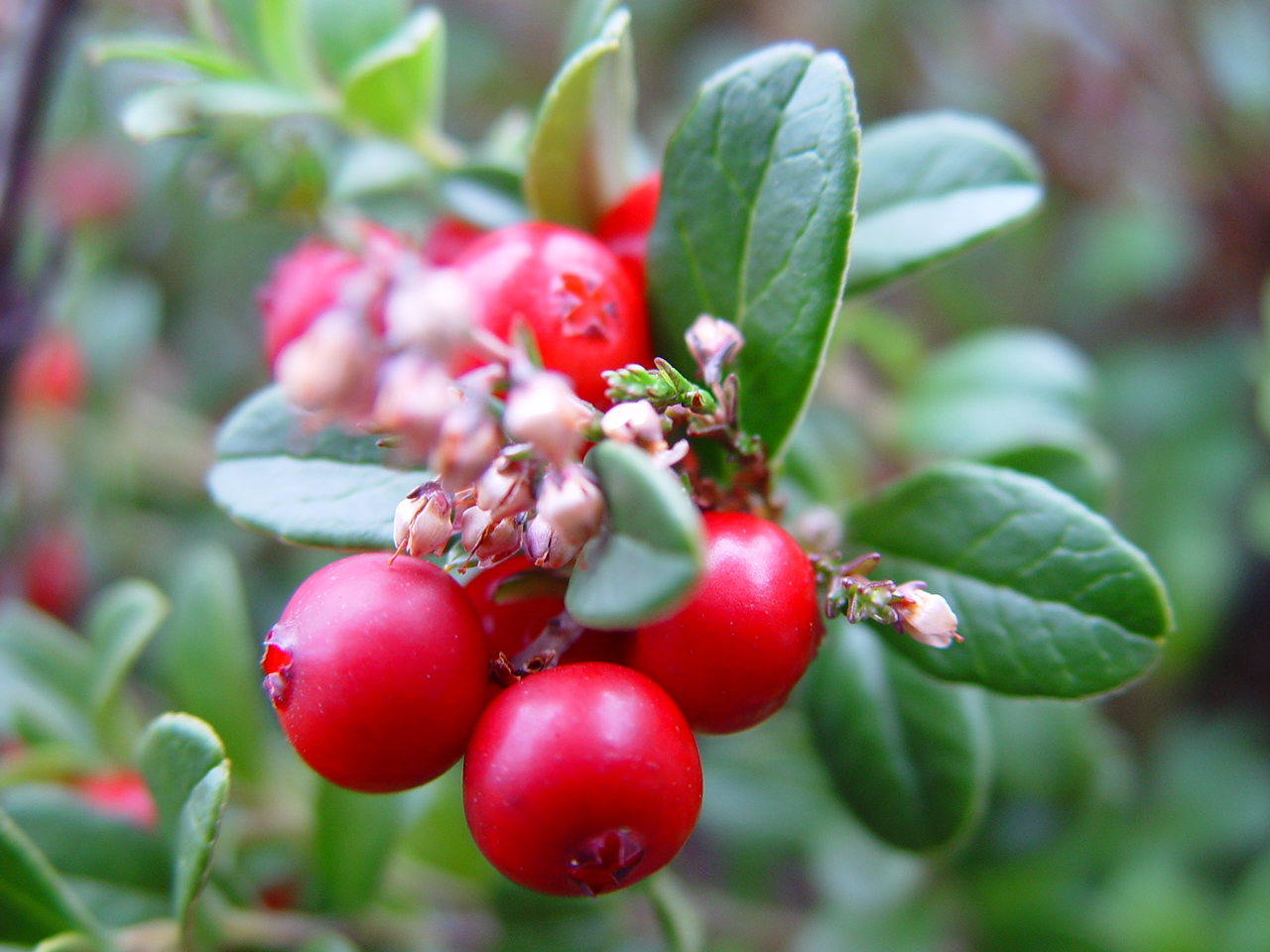
Berries contain
a group of chemicals called polyphenols which are potent antioxidants that help
protect the fruits tender flesh from the sun’s radiation. These polyphenols also work effectively
within our bodies to neutralise free radicals from environmental factors such
as pollutants and from the metabolism of foods that we ingest. Everyone
dreams of being able to eat chocolate and pizza all day without putting on a
pound, and now researchers could have found a simple way of making this dream a
reality
The results of a study
carried out by the Lund University in Sweden were recently published in the
peer reviewed Journal of Nutrition and Metabolism which proved the efficacy of
lingonberries and their ability to prevent weight gain.
In this study, mice were
fed with a high fat diet for 13 weeks which was intended to mimic the fatty
western diet. They were divided into groups and 20% of their diet comprised of
berries. Each group of mice was fed with a different berry which included
raspberries, blackberries, acai berries and lingonberries.
After three months, the
mice that were fed a high fat lingonberry diet had the best results. Their
weight gain was no different to the subjects that were fed a low fat diet and
additionally their blood sugar and insulin levels were low as well.
The researchers concluded that lingonberries prevent the harmful
effects of a high fat diet and suggest that lingonberries could be useful in
preventing obesity, aid in weight loss goals, and its related disorders.
However, an obvious limitation is that the study has not looked at the effect
of lingonberry consumption on body measures and health outcomes in humans
and crucially the mice that were fed lingonberries still put on weight with the
high fat diet, just not as much. And obviously as the berries were only tested on mice it isnt 100% reliable for humans.
Further more this amazing discovery comes with
the problem that certain individuals mainly being celebrities are most likely
to become addicted to these miracle berries as a method of prevent weight gain. Even though this new discovery and finding is
exciting, it should not be seen as an excuse and interpreted as a license to
eat an unhealthy diet as long as you add lingonberrries! So if anyone is trying to lose
weight, relying on these lingonberries for weight control is not a wise or
healthy approach.
Tuesday, 15 April 2014
Science pod cast- Any disadvantages
Disadvantages
Although everything we have
spoken about so far seems to be positive, some people also have reasons as to
why using plants as medicines can have a negative impact.
Alisa Price believes that Not all medicines benefit from being made using
plants. She believes The manufacturing systems we currently are very high quality and
perfectly adequate for the majority of medicines we need. The industry has
invested enormous money and time into fine tuning the manufacturing of
medicines, and we have all benefited in terms of product quality, safety and
reliability. Plant biotechnology is very
new, and the manufacturing details have not yet been fine tuned.
Science pod cast- plant type research
Plants used for medicine
 Gentiana lutea (Yellowgentian)
is found in the mountains of central and southern Europe. Gentian root (which
can be as thick as a person’s arm) has a long history of use as a herbal bitter
in the treatment of digestive disorders. The root contains one of the bitterest
substances known to science which stimulates the taste buds and brain reflexes
to promote the secretion of saliva and gastric juices. As such it has been used
as an appetite stimulant in the treatment of anorexia. It is said to be
especially useful in states of exhaustion from chronic disease and in cases of
debility or weakness of the digestive system; strengthening the human system by
stimulating the liver, gall bladder and digestive system.
Gentiana lutea (Yellowgentian)
is found in the mountains of central and southern Europe. Gentian root (which
can be as thick as a person’s arm) has a long history of use as a herbal bitter
in the treatment of digestive disorders. The root contains one of the bitterest
substances known to science which stimulates the taste buds and brain reflexes
to promote the secretion of saliva and gastric juices. As such it has been used
as an appetite stimulant in the treatment of anorexia. It is said to be
especially useful in states of exhaustion from chronic disease and in cases of
debility or weakness of the digestive system; strengthening the human system by
stimulating the liver, gall bladder and digestive system.
 a (Indian snakeroot, Sarpaghanda) is
member of the dogbane family, found in India, Pakistan and south east Asia But
the plant is also an important healer, used for stomach disorders, snakebite
and epilepsy. R. serpentine is also the source of the alkaloid resperine, which
revolutionized the treatment of hypertension in the 1950s and is still commonly
prescribed today. Chemically similar to serotonin, resperine was also used to treat
severe mental illnesses due to its powerful sedative properties
a (Indian snakeroot, Sarpaghanda) is
member of the dogbane family, found in India, Pakistan and south east Asia But
the plant is also an important healer, used for stomach disorders, snakebite
and epilepsy. R. serpentine is also the source of the alkaloid resperine, which
revolutionized the treatment of hypertension in the 1950s and is still commonly
prescribed today. Chemically similar to serotonin, resperine was also used to treat
severe mental illnesses due to its powerful sedative properties
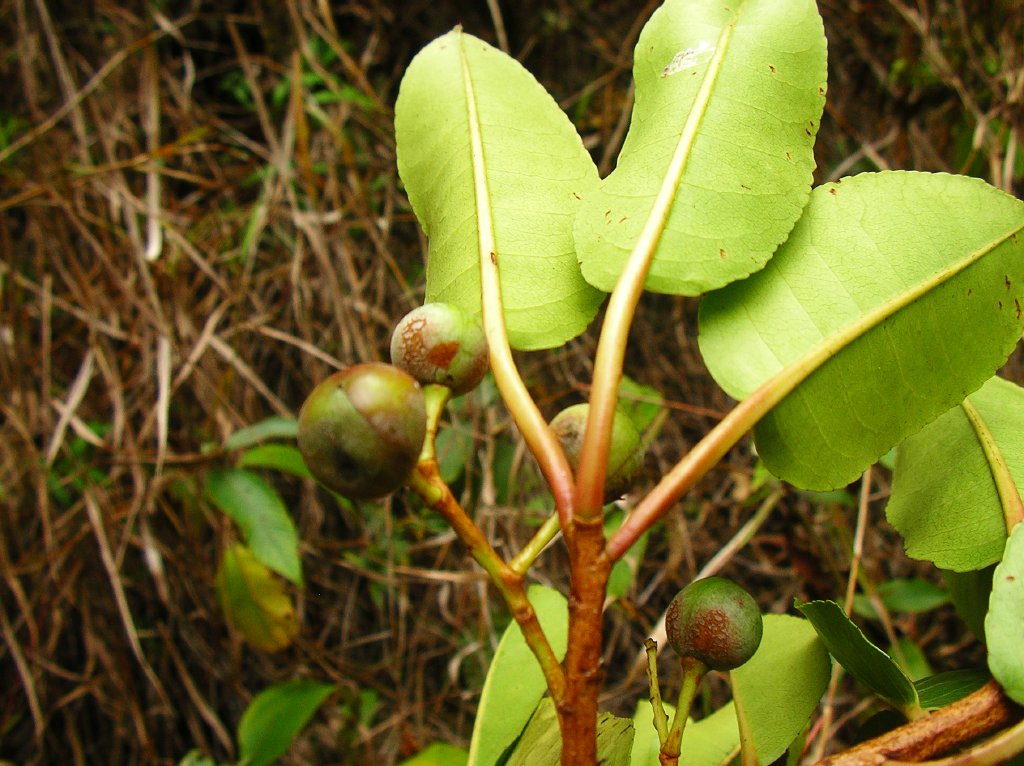 Prunus africana (African cherry)
is found in mountain tropical forests in central and southern Africa and Madagascar
and has been used for centuries for its hard and durable timber as well as for
the medicinal properties of its bark, which is used to treat malaria, fevers, kidney
disease, urinary tract infections and more recently prostate enlargement
(benign prostatic hyperplasia). Overall, the medicinal retail trade for P
.africana is estimated to be US$220 million/year (WWF, 2001).
Prunus africana (African cherry)
is found in mountain tropical forests in central and southern Africa and Madagascar
and has been used for centuries for its hard and durable timber as well as for
the medicinal properties of its bark, which is used to treat malaria, fevers, kidney
disease, urinary tract infections and more recently prostate enlargement
(benign prostatic hyperplasia). Overall, the medicinal retail trade for P
.africana is estimated to be US$220 million/year (WWF, 2001).
_-_7.jpg) Most of these plants and
medicines are unfamiliar with us however there asre a lot more common ones in
the UK such as:
Most of these plants and
medicines are unfamiliar with us however there asre a lot more common ones in
the UK such as: Alfalfa which can treat morning
sickness, nausea, kidney stones, kidney pain and urinary discomfort. It is a
powerful diuretic and has a bit of stimulant power, helping to energize after a
bout with illness. It’s a liver and bowel cleanser and long-term can help
reduce cholesterol.
Alfalfa which can treat morning
sickness, nausea, kidney stones, kidney pain and urinary discomfort. It is a
powerful diuretic and has a bit of stimulant power, helping to energize after a
bout with illness. It’s a liver and bowel cleanser and long-term can help
reduce cholesterol.

Plants you can find in your garden which can be used for medicines include:
 Aloe vera: it contains various compounds that reduce inflammation, swelling,
redness, pain and itching.”
Aloe vera: it contains various compounds that reduce inflammation, swelling,
redness, pain and itching.”
 Dandelion: a nutritious healing
herb that stimulates the flow of bile. It enhances the body’s ability to
eliminate toxins.
Dandelion: a nutritious healing
herb that stimulates the flow of bile. It enhances the body’s ability to
eliminate toxins.


Gentiana lutea (Yellowgentian)
is found in the mountains of central and southern Europe. Gentian root (which
can be as thick as a person’s arm) has a long history of use as a herbal bitter
in the treatment of digestive disorders. The root contains one of the bitterest
substances known to science which stimulates the taste buds and brain reflexes
to promote the secretion of saliva and gastric juices. As such it has been used
as an appetite stimulant in the treatment of anorexia. It is said to be
especially useful in states of exhaustion from chronic disease and in cases of
debility or weakness of the digestive system; strengthening the human system by
stimulating the liver, gall bladder and digestive system.
Rauvolfia serpentin
Prunus africana (African cherry)
is found in mountain tropical forests in central and southern Africa and Madagascar
and has been used for centuries for its hard and durable timber as well as for
the medicinal properties of its bark, which is used to treat malaria, fevers, kidney
disease, urinary tract infections and more recently prostate enlargement
(benign prostatic hyperplasia). Overall, the medicinal retail trade for P
.africana is estimated to be US$220 million/year (WWF, 2001).
Common flowers and plants
Most of these plants and
medicines are unfamiliar with us however there asre a lot more common ones in
the UK such as:
The California Poppy which is an effective (anxiety reliever)
The blood flower is a type of
tropical milkweed with toxic milky sap that is emetic (it makes you hurl). It’s
also historically favored as a heart stimulant and worm expellent
Alfalfa which can treat morning
sickness, nausea, kidney stones, kidney pain and urinary discomfort. It is a
powerful diuretic and has a bit of stimulant power, helping to energize after a
bout with illness. It’s a liver and bowel cleanser and long-term can help
reduce cholesterol.Plants you can find in your garden which can be used for medicines include:
Aloe vera: it contains various compounds that reduce inflammation, swelling,
redness, pain and itching.”
Uses: For burns, cuts
and minor abrasions; also as a mild laxative
Dandelion: a nutritious healing
herb that stimulates the flow of bile. It enhances the body’s ability to
eliminate toxins.
Uses: As a diuretic
(may help with PMS bloating), prevents gallstones and cleanses the liver.
“Dandelion leaves contain noteworthy amounts of vitamin C and beta-carotene and
are considered an antioxidant that help sets the stage for preventing many
diseases,” says Cervone.
Lemon balm: has a calming effect on heart palpitations and an agitated state of mind.
Uses: Soothes stomach, calms nerves.
Lavender: used in both medicine and cosmetics.
Uses: As a sedative, stress reliever, to
restore calm and relieve tension.
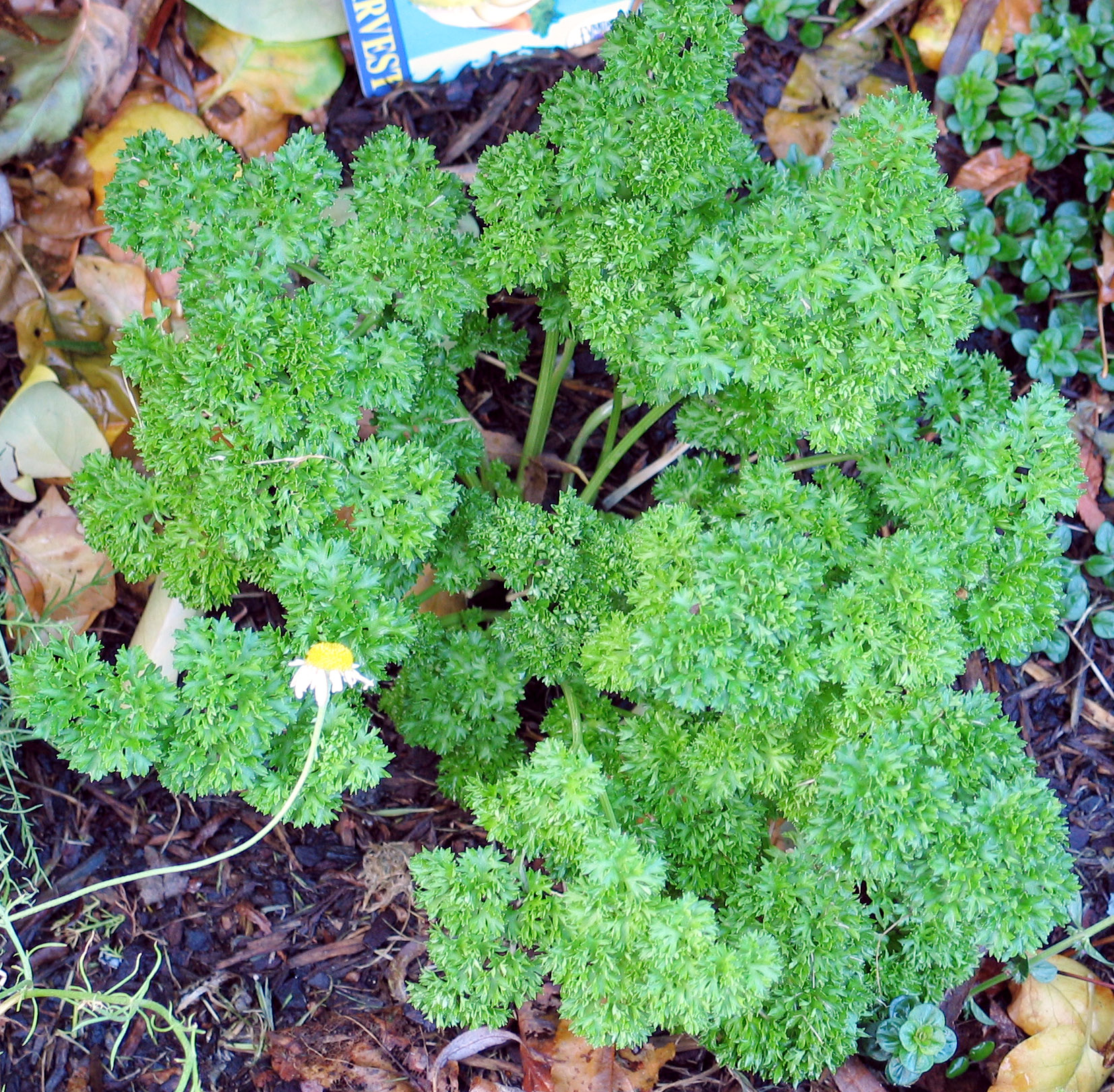
Parsley: Parsley leaves, roots and seeds all contain
an oil with significant diuretic and mild laxative properties. Parsley also
inhibits the secretion of histamines, a compound produced by the body that
causes allergies, hives and hay fever.
Uses: Breath freshener, allergy relief, tummy
troubles.
Monday, 14 April 2014
Science Pod cast- medicinal plants
Medicinal Plants
PlantsSimply, plants equal life. They are the primary producers that sustain all other life forms. They regulate air and water quality, shape ecosystems and control the climate. They provide food, medicine, clothes, shelter and the raw materials from which innumerable other products are made. These benefits are widely recognised but poorly understood. Because of this plants are both a vital part of the world’s biological diversity and an essential economic resource for human existence. Yet plant extinctions are occurring at a rate unmatched in geological history, leaving ecosystems incomplete. Current extinction rates are at least 100 to 1,000 times higher than natural background rates, with a quarter of the world’s coniferous trees known to be in jeopardy and as many as 15,000 medicinal plants under threat. Whilst the extinction of a species is the ultimate loss, the process of extinction itself has serious consequences for local ecosystems. Plant to plant interactions effect both resource availability and habitat structure, and play an important role in mediating the responses of natural systems meaning the loss of any one species weakens an ecosystem’s ability to adapt in a rapidly changing world.
Friday, 11 April 2014
Science pod cast research
After visiting the botanical gardens and asking ourselves all these
questions we continued to research the need for these plants and their main
uses. The result we found was that around 80% of the world’s population depends
directly on plant based medicines for health care and because of this many botanical gardens play a large role in medical plant study and research, cultivation and
conservation.
Medicinal plants harvested
from the wild Provide both a relief from illness and a source of income, over 70,000
plant species are thought to be medicinal.
Loss of habitat combined with over-harvesting
threatens the survival of many of these plant species. Luckily one of the Botanic
gardens main jobs is to ensure their conservation.
The first botanicl gardens originated in Europe in the
sixteenth centry. The reason for this was the cultivation and study of
medicinal plants - at a time when medicine and botany were essentially the same
discipline. The tradition of cultivating and displaying medicinal plants has
been continued by many botanic gardens across the world which is shown by BGCI
study in 1998 highlighting the medicinal plant collections of 480 botanic gardens.
Botanic gardens provide a
permanent location around which an infrastructure can develop. Around the
world, they have become centres for the research and study of disciplines as
diverse as taxonomy, ecology, agronomy, horticulture, ethnobotany and habitat restoration,
all of which inform medicinal plant conservation.
Botanic gardens have a
long-standing connection to medicinal plants in particular, since the sole
purpose of all early botanic gardens was to grow and study medicinal plants.
They are inherently well-placed to respond to the very specific local
conservation needs of medicinal plants and the people who rely on them for
health and livelihood in a particular region. Moreover, they are probably the
most important agencies for the conservation of native medicinal plants, since
plants are not often the priority of other conservation bodies and government
agencies related to agriculture pay little attention to those species of
undetermined economic use. BGCI maintains the PlantSearch database which records
data on plants in botanic garden collections. As of August 2007 the PlantSearch
database held details on over 2,540 botanic gardens, 681 of which have uploaded
their species data, totalling 505,000 records of approximately 140,000 different
taxa. The database is available for public use, although garden addresses are
only accessible after requesting further information from the garden itself,
due to the valuable nature of some of the plants held.

Thursday, 10 April 2014
Science- Pod cast inspiration
Botanical Gardens
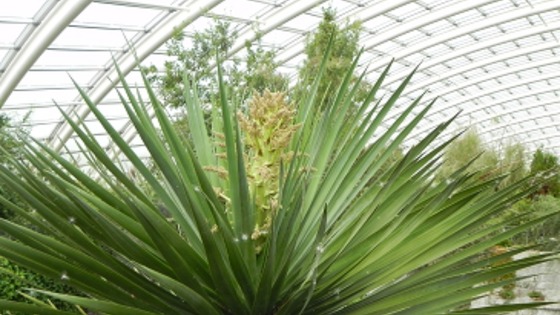
After visiting the Botanical gardens we decided to base our proect on it. They have
collection of over 8000 different plant varieties, spread across 560 acres of
beautiful countryside. Along with the world’s largest single spanned
glasshouse, designed by Lord Foster, that has the best display of mediterranean
climate zone plants in the Northern hemisphere. Their mission is to inspire,
educate and conserve all these beautiful sprecies of plants.
When we were in the botanical gardens it got us thinking about what we were seeing and the reasons for it. Some questions we wanted answered were:
· Why grow so many
amazing plants?
·
Why so many
different plants
 ·
Are they intentional
·
Are they intentional
·
What are they used
for
·
Do they all have
different purpose
·
Do they grow them
there to preserve or use
·
Do they grow them
from the beginning

Wednesday, 12 March 2014
"Sound effects play an important role in coveying action. Music helps express emotion." Michael Geisler
I feel this is a very important and relavent quote; it can be seen in every film when music or sound effects are used. Have you ever watched a scary film on mute?not quite the same effect! Yes a film has to have a good story line to make it scary in the first place, but without the tention buliding music and the dead silent pauses we would have no idea when something scary is going to happen. Music or sound effects create an emotion within you and triger a feeling which you relate with happiness, fear, speed, slowness etc. Sound effects are pre-recorded sound cues that help us tell a story. Not only does it create this feel but sound is an expectation. The reason for this is because we are used to constantly hearing noises around us, where ever we are. Even in a quiet room there is still some form of sound whether it be distant traffic, radiator, air conditioning or the fridge. We always expect to hear something and if a film doesnt have any sound it will seem lifeless. Most modern films will have a different sound for every scene and movement.
Below is a link to Michael Geisler's own page, which shows how he feels, decided and designes the sound effects used.
http://www.awn.com/mag/issue4.01/4.01pages/geislersound.php3
Below is a short clip of a video with and without sound effects.
I feel this is a very important and relavent quote; it can be seen in every film when music or sound effects are used. Have you ever watched a scary film on mute?not quite the same effect! Yes a film has to have a good story line to make it scary in the first place, but without the tention buliding music and the dead silent pauses we would have no idea when something scary is going to happen. Music or sound effects create an emotion within you and triger a feeling which you relate with happiness, fear, speed, slowness etc. Sound effects are pre-recorded sound cues that help us tell a story. Not only does it create this feel but sound is an expectation. The reason for this is because we are used to constantly hearing noises around us, where ever we are. Even in a quiet room there is still some form of sound whether it be distant traffic, radiator, air conditioning or the fridge. We always expect to hear something and if a film doesnt have any sound it will seem lifeless. Most modern films will have a different sound for every scene and movement.
Below is a link to Michael Geisler's own page, which shows how he feels, decided and designes the sound effects used.
http://www.awn.com/mag/issue4.01/4.01pages/geislersound.php3
Below is a short clip of a video with and without sound effects.
Friday, 7 March 2014
Zu3D

Zu3D is a stop-motion animation software which has been developed to give people of all ages the opportunity to create amazing animated films quickly and easily, in school and at home. Mandy introduced us to Zu3D in class and everyone seemed to find it really easy, fun and enjoyable. I was initially going to do my final animation using clay however after using paper when playing around with Zu3D I decided that is what I would base my final project on.
Wednesday, 5 March 2014
Stop Motion Animation
Stop motion Is very much like clay motion. It involves taking hundreds of photos or clips to form a smoothly running short film. Below is the worlds smallest animation that Mandy showed us in class. It is an amazing inspiration and the time and effort put in us unbelievable.
Wednesday, 19 February 2014
Zoetrope
- A zoetrope is a device that produces the illusion of motion from a rapid succession of still pictures.
- The zoetrope consists of a cylinder with slits cut into the sides. On the inner surface of the cylinder is a band with images from a set of sequenced pictures.
- As the cylinder spins, you look through the slits at the pictures across and you see a rapid succession of images, producing the illusion of motion.
phenakistoscope
A phenakistoscope is a spinning disc attached vertically to a handle. Displayed around the disc's center is a series of drawings showing phases of the animation, and cut through it are a series of equally spaced radial slits. We would spin the disc and look through the moving slits at the disc's reflection in a mirror. The scanning of the slits across the reflected images kept them from simply blurring together, so that the we would see a rapid succession of images that appeared to be a single moving picture. (Wikipedia 2014)
How to make a phenakistoscope?
How to make a phenakistoscope?
Zoetrope
Zoetrope
"A zoetrope is a device that produces the illusion of motion from a rapid succession of still pictures.The zoetrope consists of a cylinder with slits cut into the sides. On the inner surface of the cylinder is a band with images from a set of sequenced pictures.As the cylinder spins, you look through the slits at the pictures across and you see a rapid succession of images, producing the illusion of motion."
(Oxford Dictionary 2014)
Wednesday, 12 February 2014
Clay Annimation
Clay animation or clay motion is one of many forms of stop motion animation. It is produced by recording each frame, or still picture, on film or digital media and then playing the recorded frames back together to form a film like animation. Each object involved is sculpted from clay or Plasticine etc, and then arranged on the set. It is photographed in its initial position and then every slight movement made is also captured. The more photos taken the smoother the film will run. Most Normal film runs at 24 frames per second. Because of this you have to ensure the object is not accidentally moved and nor the lighting or camera changed otherwise your photos will be different and wont flow. A famous clay motion animation is my child hood favorite morph.

The last animation I watched
The Lion King
The last animation I watched was the one and only Disney Lion King. Im sure most of you know what it is about and have seen it a hundred times, but just incase ill give you a quick overview of the film. It is about a baby lion cub Simba who looses his father to his eveil uncle Scar. Simba is forced to move away from his land however later returned in his life to beciome King. Is a heart warming film which I could watch every day, and if you havent yet wtached it, you need to.
The Lion King is a 1994 American animated epic musical adventure film produced by Walt Disney Feature Animation and released by Walt Disney Pictures. It is the 32nd animated feature in the Walt Disney Animated Classics series.
Steven Withrow. (2007). Ensemble Cast. Available: http://en.wikipedia.org/wiki/Ensemble_cast. Last accessed 12/02/14.
The last animation I watched was the one and only Disney Lion King. Im sure most of you know what it is about and have seen it a hundred times, but just incase ill give you a quick overview of the film. It is about a baby lion cub Simba who looses his father to his eveil uncle Scar. Simba is forced to move away from his land however later returned in his life to beciome King. Is a heart warming film which I could watch every day, and if you havent yet wtached it, you need to.
The Lion King is a 1994 American animated epic musical adventure film produced by Walt Disney Feature Animation and released by Walt Disney Pictures. It is the 32nd animated feature in the Walt Disney Animated Classics series.
Steven Withrow. (2007). Ensemble Cast. Available: http://en.wikipedia.org/wiki/Ensemble_cast. Last accessed 12/02/14.
Monday, 10 February 2014
Today Mandy helped us learn to pod cast for our science module. Above is a clip of me playing around with audacity. I then saved it to archive.org which saved it into my account and enabled me to upload it to my blog. I wouldnt say ive mastered pod casting yet.... but I guess its a start. x
Below is a link on pod castsif you are not sure what they are. Click on the link to see more.
http://en.wikipedia.org/wiki/Podcast
Tuesday, 28 January 2014
BETT
BETT {January 22 – 25th 2014} 30th Anniversary

"It’s the global meeting place or the education technology community, offering first-hand knowledge and advice from the industry’s innovative figures." (BETT website)
“The only place where you can hear from the biggest names in education”
"Award winning interactive solutions for any classroom, video conferencing for learning, forums, speed learning, live learning, SEN learning, school leader’s summit, games, learning support, school management, HE and Work Place learning."
There are many different stands which all consist of helping people in subjects such as; maths, science, English. Most of the stands all include some form of technology whether it be using electronic white boards, tablets or touch screen TV's. As well as this they also give short talks from many different branches and companies. These include:
- Teach First
- Hampshire Academy
- Ipswich Academy
- Eton College
- Founder of 100 Word Challenge
- West London Free School
- Plymouth University
- City University of London
- Education Innovation Centre, UWE
- Open University
- University of Birmingham
- Donald Clark, CEO of Epic
- Charles Jennings, Founder of 70:20:10 Forum
- Mike Thompson, Head of Employability for Barclays Bank
- Top Right Group
- VISA Europe
Wednesday, 15 January 2014
Hopscotch

Todays lesson was based on coding to create games using an application called hopscotch. For our game we created a house using different animals and coding for different controls and also had elements of maths in to work out angles etc which I enjoyed. It was a very different experience however with lots of practice I think it could be very usefull and could be used in many lesson plans.


https://community.gethopscotch.com/projects/fading-octopus-nos0yh24x12gqkzttilu-q
Subscribe to:
Posts (Atom)